The Science and Art Behind the Solar Maximum Mini Zine
So what exactly is Solar Maximum?
Solar maximum is the peak of the Sun’s approximately 11-year activity cycle. The Sun’s magnetic field is at its most tangled and intense, producing sunspots, solar flares, and coronal mass ejections. After solar maximum the activity gradually winds down toward solar minimum before building up again.
We are currently ( in 2026) in the declining phase of solar cycle 25 and past the “peak” of solar maximum which occured in 2025. While the sun is quieting down a bit, there are still bursts of activity and interesting sunspots. The declining phase also has more “coronal holes” which creates fast solar wind and often, aurora.
Sunspot evolution
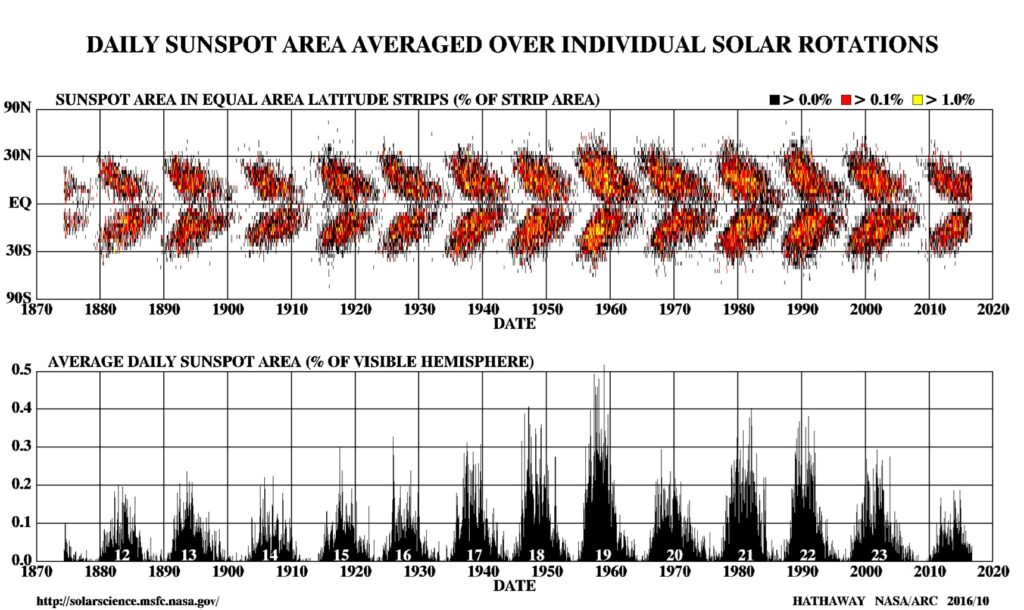
The Sunspot Butterfly Diagram Also called the Maunder Butterfly Diagram, a butterfly diagram plots the latitude of sunspots over time. At the start of a new solar cycle sunspots appear at mid latitudes around 30-35° north and south. As the cycle progresses they migrate closer and closer to the solar equator. When you plot this over many cycles the pattern looks exactly like a series of butterfly wings — wide at the top of each cycle, narrowing toward the equator by the end. It beautifully visualizes the 11-year cycle repeating over and over.
Below is a Mauder Butterfly diagram from NASA.
How do I take images of the Sun without burning up my eyes and camera gear?
Always use certified solar filters!!
There are generally 3 main types of solar imaging:
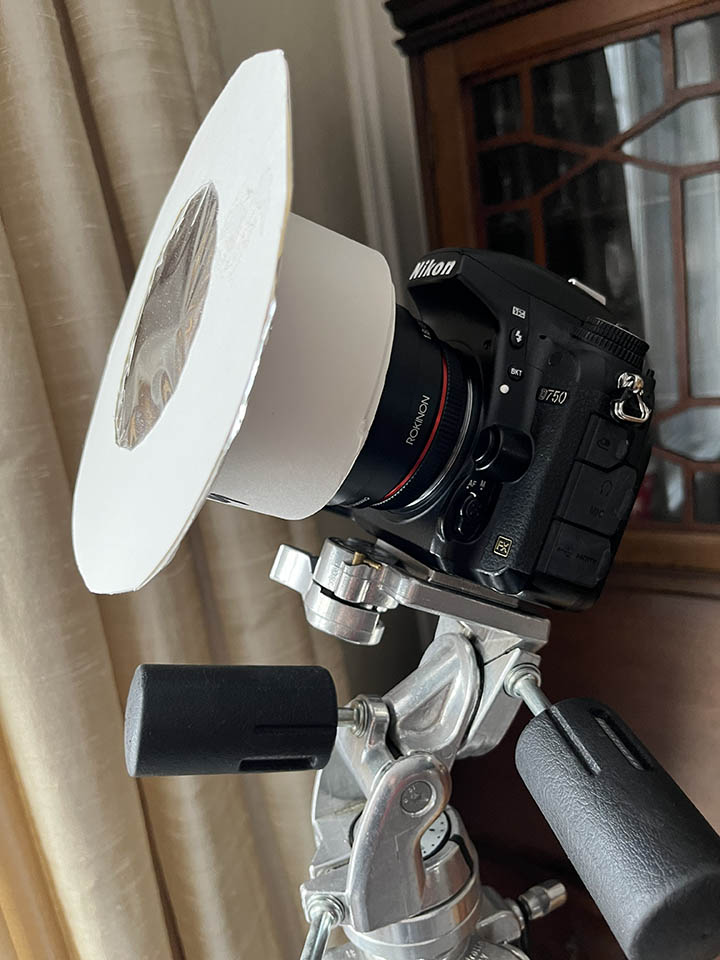
White light filters. These are commonly used with photographic equipment and large telescopes and are relatively low cost. Most of my white light filters are home made with Baader solar filter paper. White light filters allow you to see the photosphere of the Sun where you can best see sunspots and granulation
Calciuum K filters. These allow you to see the photosphere as well with additional detail in the calcium K line. This line is in the far ultraviolet part of the light spectrum and those images are often false coloured violet. There is also a Calcium H line and and G band.
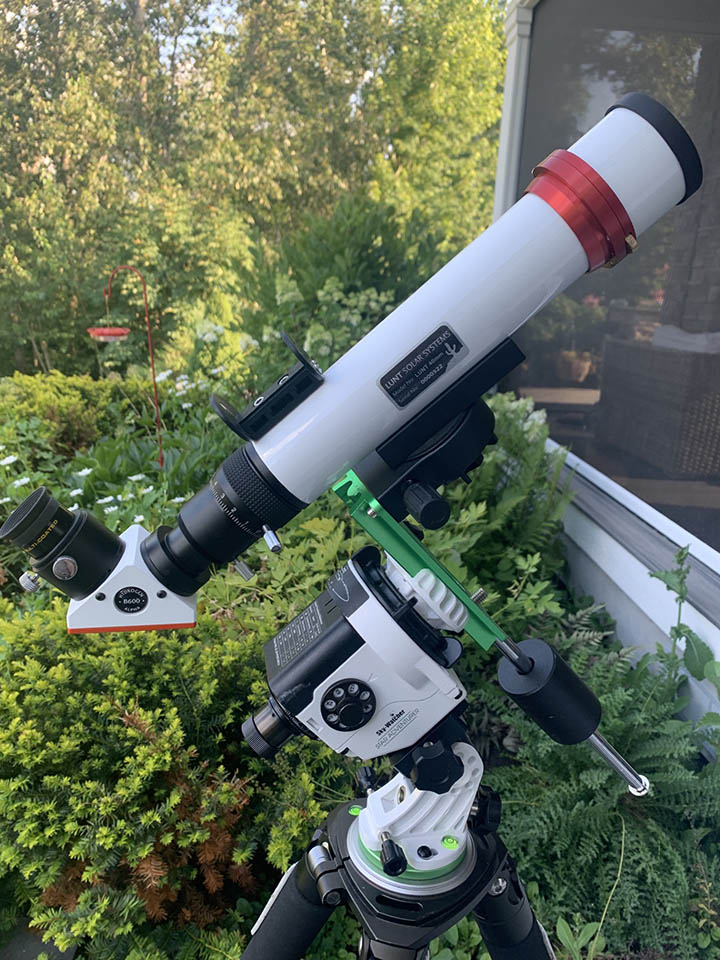
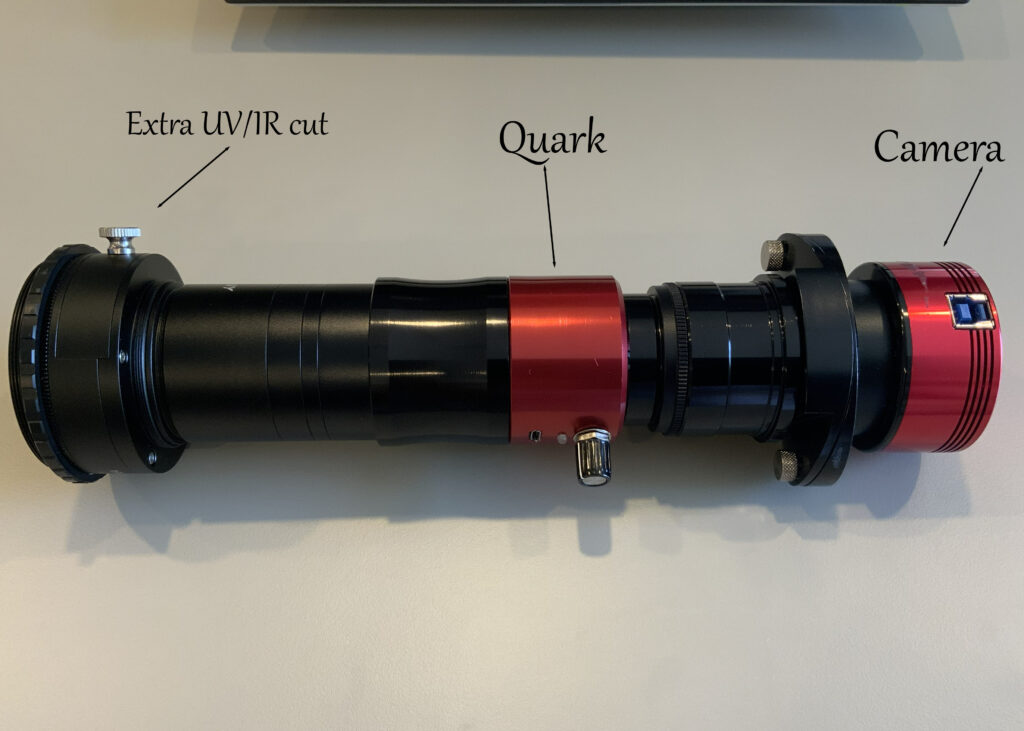
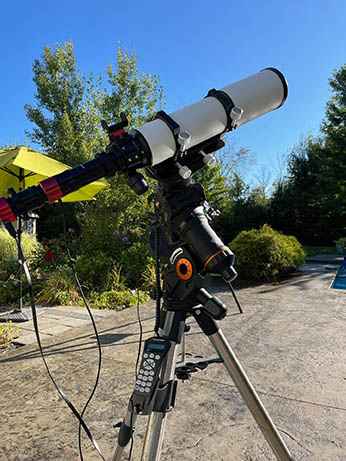
Hydrogen Alpha filters. Not to be confused with the deep space version of HA filters these are specialized solar filters made by companies such as Daystar and Lunt that allow us to focus on the wild, active and incredibly hot chromosphere. I generally use the Daystar Quark Chromosphere filter with a long focal length telescope. I also do have a small 40 mm Lunt solar scope that I adore.
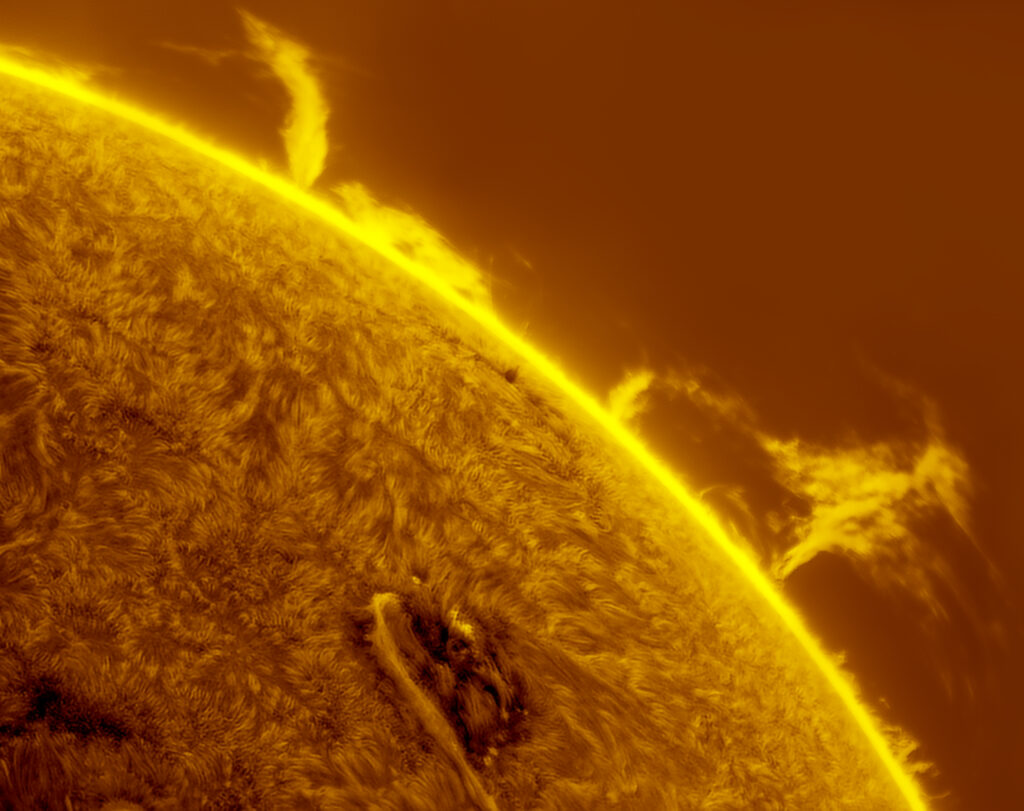
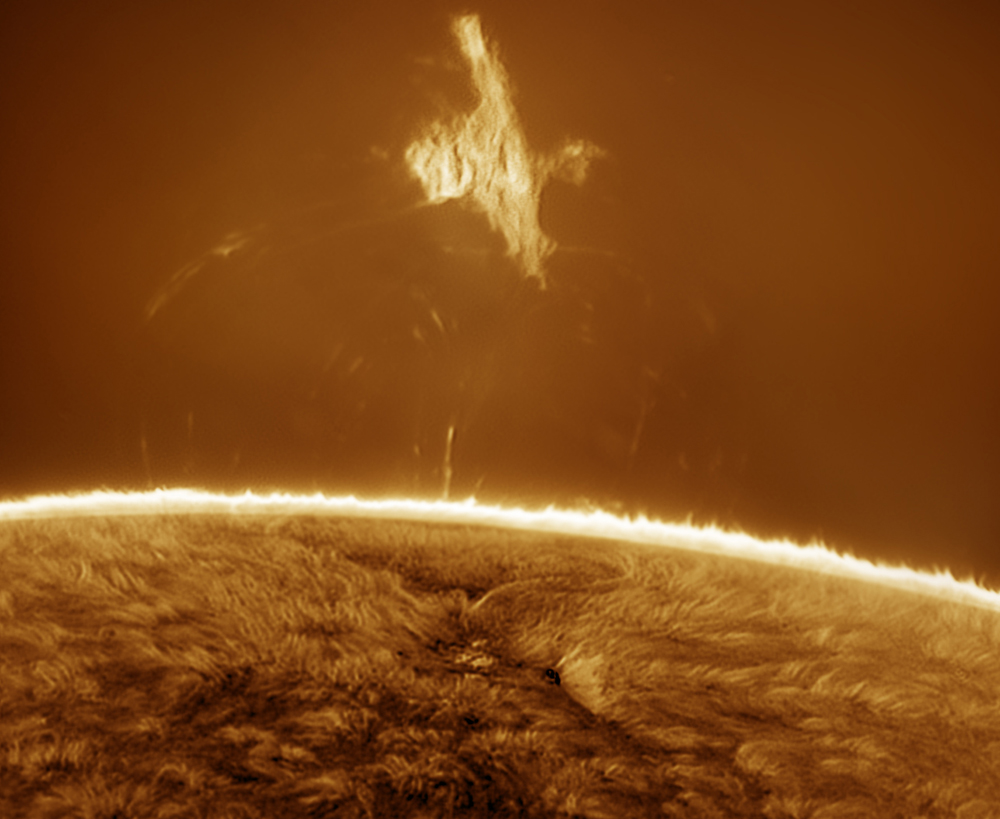
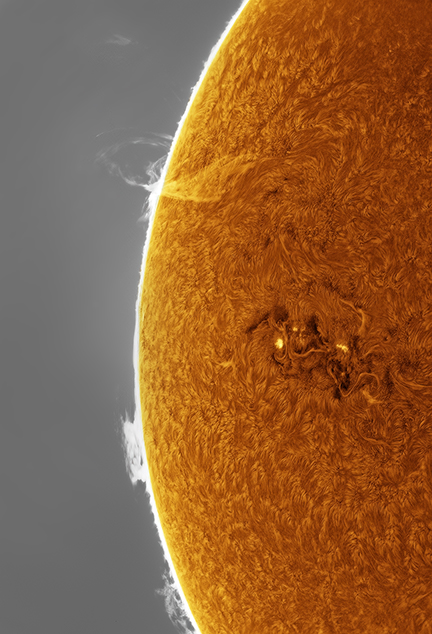
On this day I was watching a floating piece of plasma floating above the south east limb of the sun. At first I thought it was a CME (Coronal Mass Ejection) launching towards earth but the plasma never made it and remained tightly locked by magnetic fields for several hours.
Eventually trapped, it felt back to in to the sun.
You can see a time lapse here that I shot that day which garnered me an APOD( Astronomy Photo of the Day) from NASA.
A day on the Sun.
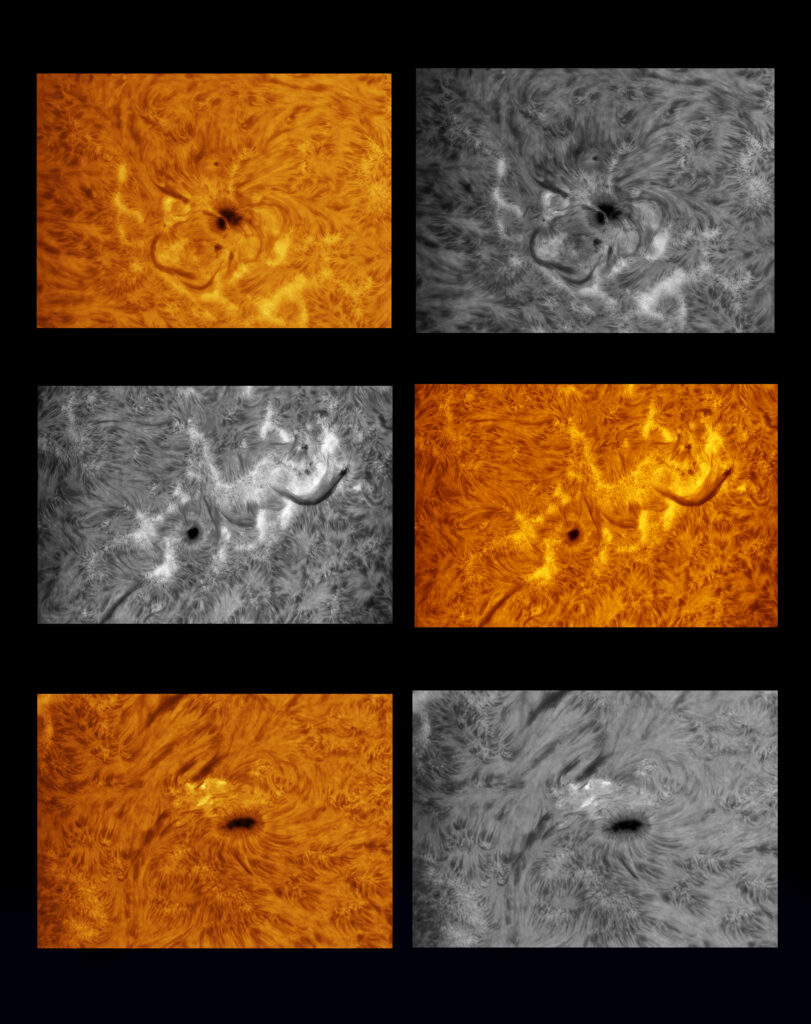
On this day in July 2025 (close to the peak of solar cycle 25) , there were so many sunspots that it was hard to keep track of them all. Although I shoot in black and white, I like to add a little false colour to make the spots pop!
These images were shot using a Quark solar filter and long focal length telescope.
A Filaprom Transforms
When a solar storm in the Chromosphere is visible on the Sun we call it a filament. When these filaments launch towards earth they are called a CME, Coronal Mass ejection and are associated with Aurora.
When we see fiery glowing solar storms along the edge of the Sun we call it a prominence and it is very bright against the dark backegound of space.
Well, here we have a filament just beginning it’s journey into becoming a prominence. So we call it a filaprom!!.
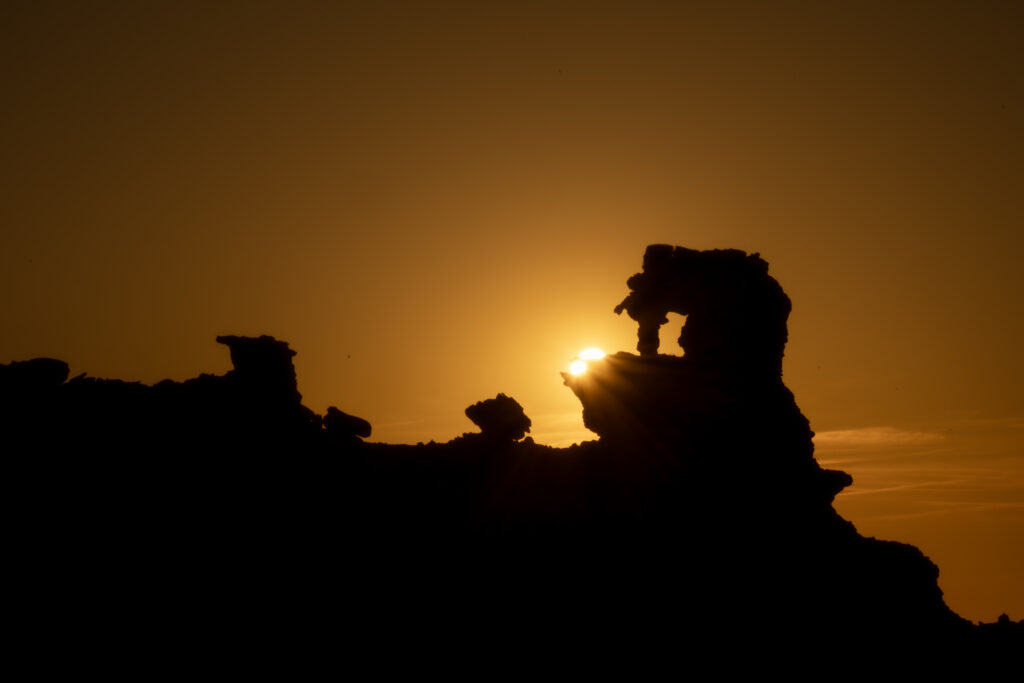
Elephant Rock Glow.
Shot on the golden island of Menorca in 2025, and sunset using the alignment tools in the PhotoPills App.
The Mammoth
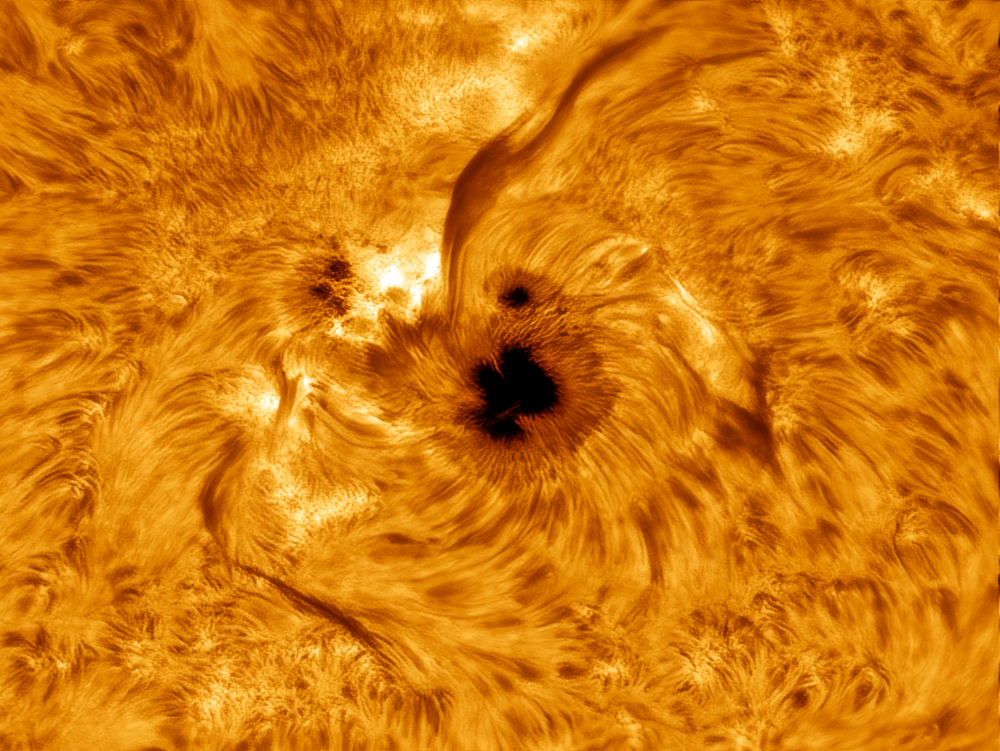
Some sunspots are so big they can be seen from Eartha and even Mars without a telescope (but ALWAYS with a solar filter) In retrospect we now now that this spot imaged in the fall of 2024 arrived at the very peak of solar maximum and close to the time of a great auroral storm as well.
A Twirl on the Sun
One of the most exciting aspects of solar imgaing is the constant motion. The solar maximum sun is always on the move….Not only was there a very large sunspot visible here, but active twisting tornado-like structures could easily be seen along the solar edges.
This is a single image taken from a 2 hour long time lapse that you can see here.
The Purple light
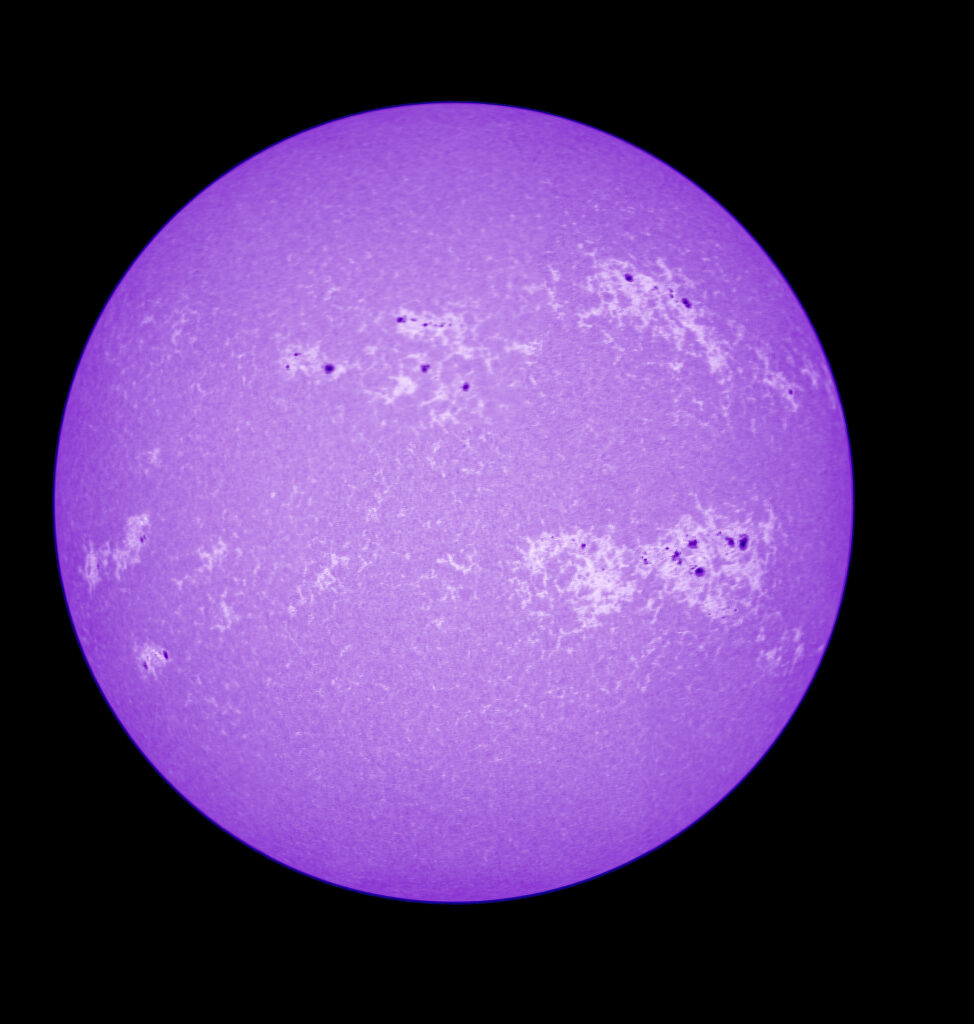
Why is the sun purple you may ask? Well if you think of the colour as “violet” it may begin to make more sense. Our sun emits a great deal of UV radition towards us. That is the energy that warms the planet, give us vitamin D and also causes sunburns.
UV stands for ultraviolet and that identifies a part of the emission spectrum where we can, using a filter known as a Calciuum K filter, image the sun in the far ultraviolet. In the Calcium K line, we not only see sunspots, but also the granulation of the solar surface as well as the white plages (the french word for beach) of magnetic solar energy surrounding each of the sunspots.
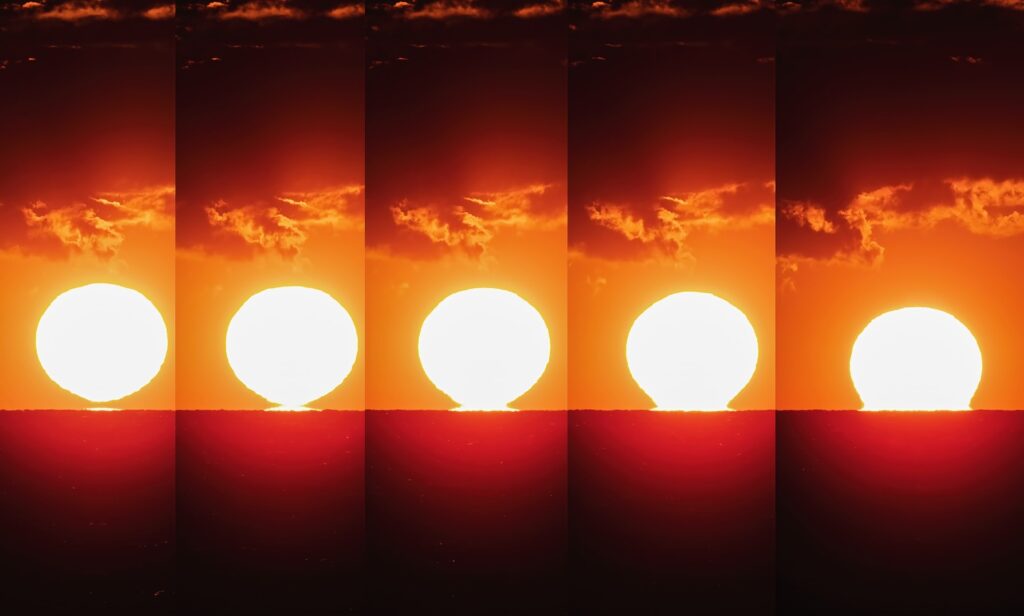
The Omega Effect
Caught by accident really I was tracking a sunset with a long telephoto lens and realized the sun was getting all “squishy”. Turns out this phenomenon had an official name as the Omega Effect as the Sun looks less and less like a circle and more like the Greek symbol for the letter O.
Of course this sequene was taken from a time lapse near Lake Huron that you can see here
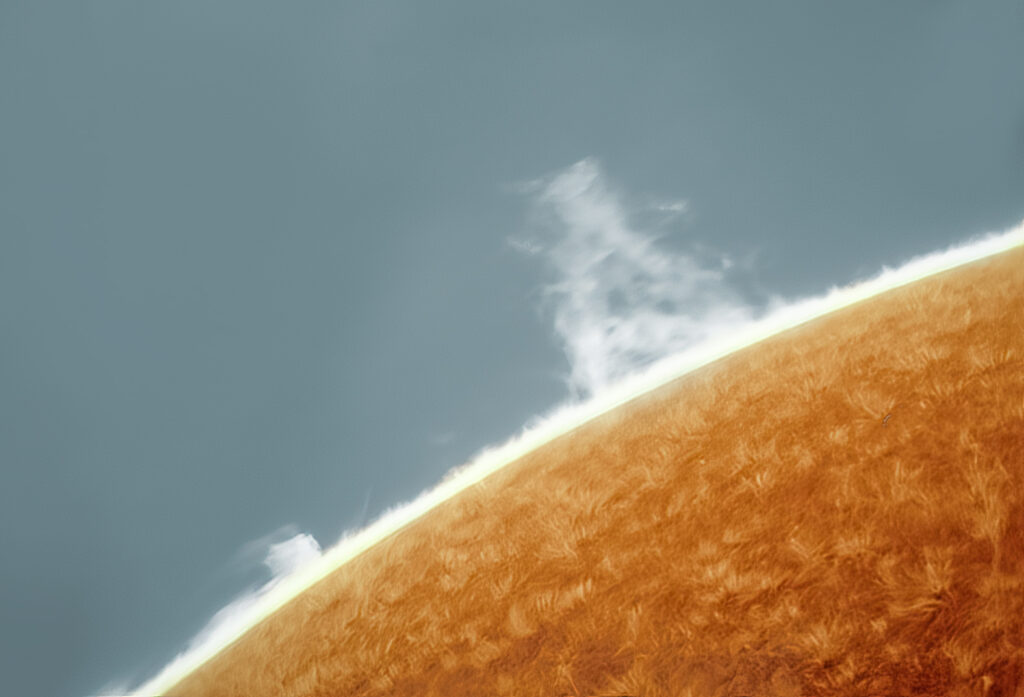
A Fluffy Prom
Although this image was taken with same equipment as per usual adding false colour in post process can add a different feeling towards the solar activity. Here the effect of white prominences against a clear blue sky feels more like how we think of the sun on those beautfitul warm clear summer days.
To learn more about solar imaging in particular I have given several different presentations over the years but this videomay be praticularily helpful.
Space Weather Woman.
I have learned a great deal about space weathe,r solar activity and aurora forecasting by watching the youtube videos of Dr. Tamitha Skov. She is a solar physicist who not only regularly provides “Space Weather Forcasts” but also has a series of amazing e-courses on her channel. I highly recommend everyone start with this first C- series of videos on Coronal Mass Elections (CMEs) and and next watch the F -series on solar flares and radio bursts.If you are an aurora chaser or solar imager then all of these course will teach you everything you need to know about CMEs and the Aurora.
Talk to Us
Have any questions? I am always open to talk about your photography journey, new projects, creative opportunities and colloborations.